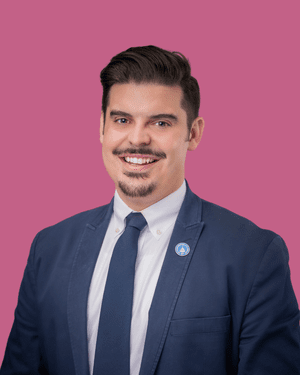
Celebrating APCRP ED Christine Freeman’s retirement—but her work’s not done!
Montgomery, AL — Christine Freeman retired from her position as Executive Director of the Middle District of Alabama Federal Defender Program, Inc. on October 3. Like many retirees, Christine plans to spend more time with her family. Surprising no one who knows her, though, she is not pursuing a respite from her mission to ensure that people on death row have access to counsel, support, and resources in their post-conviction proceedings.
Christine is staying on as volunteer executive director of the Alabama Post-Conviction Relief Project (APCRP), a nonprofit she founded in 2004. In retirement, Christine hopes she will have the time needed to push forward with the program’s mission to address inequities in the justice system by recruiting, training, and providing resources for volunteer counsel to represent Death Row prisoners in state post-conviction. The Project coordinates investigation and Project funds pay for the costs of state court litigation, including experts’ and witnesses’ costs. If unsuccessful in state court, these Death Row clients will at least have had their constitutional issues properly litigated and preserved in state court.
She has some specific goals for what pushing forward might look like. Freeman hopes to develop a steady stream of funding for APCRP. A single hearing during the Rule 32 process costs $25,000 or more. That funding pays for everything from experts, transportation, telephone bills, and copies. Longterm, she hopes to hire a staff member, preferably a staff attorney.
Even with a small team, all of whom, like Christine (up until last month) are working full-time jobs, APCRP has made a big difference. When asked what her career highlights have been, Christine listed names: Ricky Flowers, Chris Revis, Randy Lewis, Steve Hall, Robin Myers, and Ron Smith. APCRP volunteers have worked on all of these cases, and many more over the years, and created opportunities for relief from death sentences.
“The reason for APCRP and its effectiveness are pretty clear,” Freeman said.
Though she is not stepping away from her work with APCRP, Freeman did have three pieces of wisdom to share with those who would and will join her in the fight for justice:
“The law might kill somebody, and the state might use the law to kill somebody, but we’re not in that business. We have to recognize that we are not saviors, we are not saints, we did not create this problem and we cannot fully control it.”
Your work, effort, and friendship matter.
The hope for change is not unrealistic. Things, laws, people do change. She’s seen it.
“That kind of optimism is not unrealistic, and I think you have to hold onto that,” Freeman said. She now looks to her APCRP team to chart out campaigns for change and continue the work.
When asked what went into her decision to retire, Freeman remarked (among other factors), “Maybe I’d like to get arrested.” Maybe she was joking. Maybe she was invoking a call to action in the style of fellow Alabama activist and leader John Lewis to “Get in good trouble, necessary trouble, and help redeem the soul of America.”